Arrival and northern anchor
China route design · count the whole transfer
The Transfer Budget: A China Itinerary Without Backtracking or Punishing Travel Days
A route is not efficient because its line looks short on a map. It is efficient when each move takes you toward the next gateway, hotel changes stay within budget and no “two-hour train” quietly consumes most of a day.
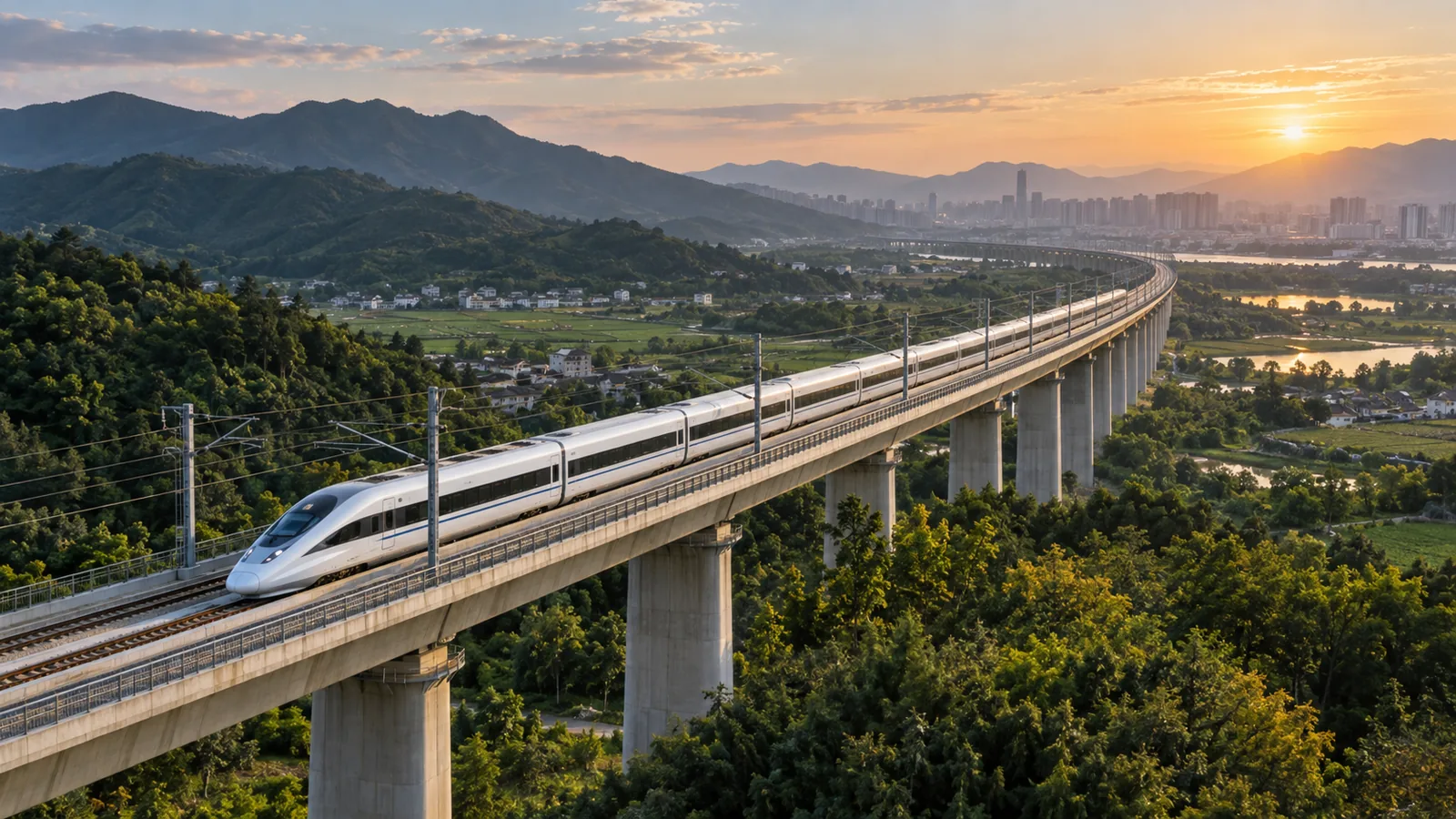
The best route has direction: every intercity move should buy access to the next part of the trip. AI-generated editorial image by trisAino.
Give the trip a transfer budget before choosing cities
Every hotel change spends four things: time, attention, physical energy and schedule flexibility. A ten-day trip with four bases does not contain four simple train rides; it contains four rounds of packing, checkout, station access, security, platform navigation, onward transport and check-in.
A practical transfer budget
For a typical 8–10 usable-day trip. A flight arrival and final departure are not included, but they still consume energy.
The budget is not a universal rule. It is a diagnostic. If you exceed it, every extra base must earn its cost with something you cannot reasonably experience from another stop.
Calculate door to door, not station to station
Rail timetables show the middle of the transfer. Travelers live the whole transfer. Add hotel checkout, travel to the station, a station buffer, the train, exit time, onward travel and check-in. A nominal two-hour ride can easily create a five-hour hotel-to-hotel interval.
| Transfer component | Typical planning allowance | Why it matters |
|---|---|---|
| Checkout and departure | 30–45 min | Elevators, luggage and payment questions add friction |
| Hotel to station | 30–75 min | City size and traffic matter more than rail distance |
| Station buffer | 45–60 min | Security, passport checks and a long walk to the gate |
| Train journey | Timetable | The only duration normally shown in search results |
| Arrival to new hotel | 45–90 min | Large stations and cross-city hotels extend the day |
Confirm the actual train and station details through the official China Railway 12306 channel before committing. A planner proposes a viable shape; the operator confirms what can be booked.
Build a route that keeps moving forward
Start with the arrival gateway and departure gateway. If they are different, the itinerary already has a direction. Place cities between them so each transfer advances toward the exit. If the gateways are the same, use a loop only when the final return is fast and direct.
Logical continuation
Distinct regional stop
Departure and eastern anchor
This is an example of directional logic, not a promise that it is the best sequence for every set of dates. Flight prices, train schedules and the number of nights in each city can justify a different shape.
Remove backtracking in three passes
1
Geographic pass
Draw the city order and flag any leg that reverses direction. A reversal needs a reason, not merely an available train.
2
Gateway pass
Check whether an open-jaw flight—arriving in one city and leaving from another—removes the final return journey.
3
Hotel-night pass
Ask whether a one-night stop deserves two packing cycles. If not, cut it or turn it into a day trip from a stronger base.
Do not stack a long travel day against a fixed booking
The dangerous itinerary is not necessarily the one with the longest train. It is the one with no recovery margin after the train. Avoid a hard-to-rebook dinner, performance or timed attraction shortly after arrival. A delay should cost a quiet evening, not the experience that justified the city.
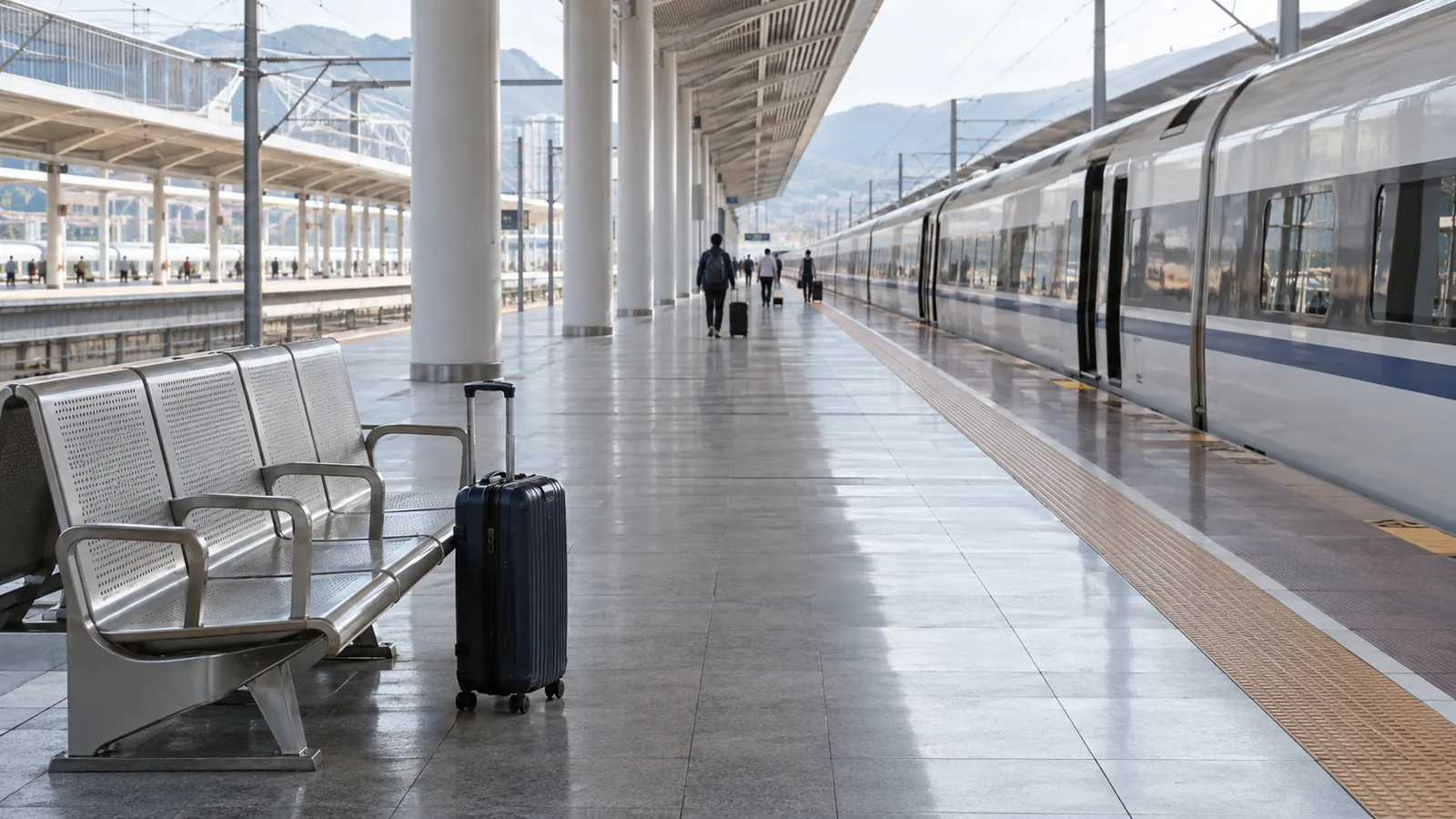
Use a stop test before adding another city
Add the stop only if it passes three tests: it offers something meaningfully different, it deserves at least two useful nights, and the onward connection keeps the route coherent. If it fails, keep the time in an existing city and take a local excursion instead.
The 10-day city wish-list framework is useful for cutting stops, while the city-order stress test checks the chosen sequence before bookings become expensive to change.
Where an itinerary planner helps
The free trisAino Planner can turn cities, dates, interests and pace into an editable day-by-day route. Build two versions: one with the full wish list and one with one fewer base. Compare useful sightseeing hours, not just the number of destinations.
Then use the trisAino Guide to prepare the systems behind the route. If a live booking change or language barrier appears during supported service hours, trisAino Concierge provides real human assistance; availability and supplier rules still apply, so a booking cannot be guaranteed.
Spend the transfer budget before you spend the ticket budget
Model the route, remove one unnecessary base and compare the usable hours you get back.
Build the route in PlannerCan a China itinerary avoid all backtracking?
Often, but not always. Same-city return flights, specialist destinations and limited schedules can require a reversal. The goal is to identify it early and make sure the experience is worth the extra transfer.
How long is too long for a China travel day?
Judge the hotel-to-hotel interval rather than the train duration. Once the full transfer approaches six hours, treat it as the day’s main activity and avoid another fixed commitment.
Is a direct train always better than a flight?
No. Compare total door-to-door time, baggage rules, airport or station location, schedule reliability for your date and how the arrival time affects the next day.
How many cities fit in ten days?
Two or three bases usually produce a more usable trip than four. The right number depends on gateways, transfer length and desired pace, but each additional base should clearly earn its packing and travel cost.
Product information was checked on 21 September 2026. Train schedules, station assignments, ticket availability and supplier rules can change; confirm them with the issuing operator before purchase.