CHINA TRAVEL · trisAino
The Palace Museum: look beyond the grand halls
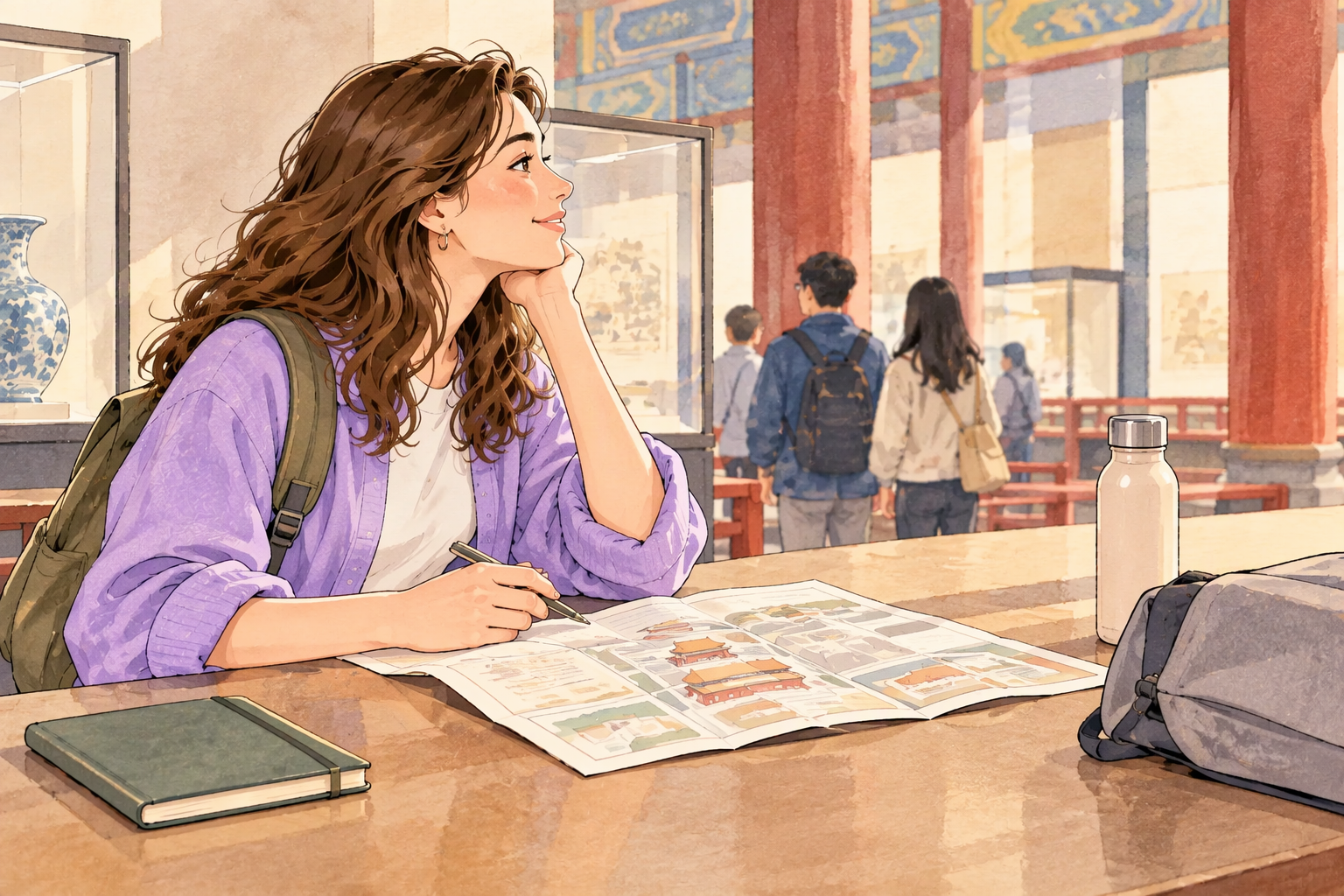
Beijing’s Forbidden City brings ceremonial halls, former residential courts and imperial art collections into one museum visit. Here’s what to focus on before arranging your ticket.
Begin with the palace itself
If you’re choosing a Beijing museum visit, would you rather explore a former imperial palace or spend time with works of art? At the Palace Museum, you can make room for both. Established in 1925, the museum is based in the Forbidden City, palace of the Ming and Qing dynasties, and holds vast imperial art collections.
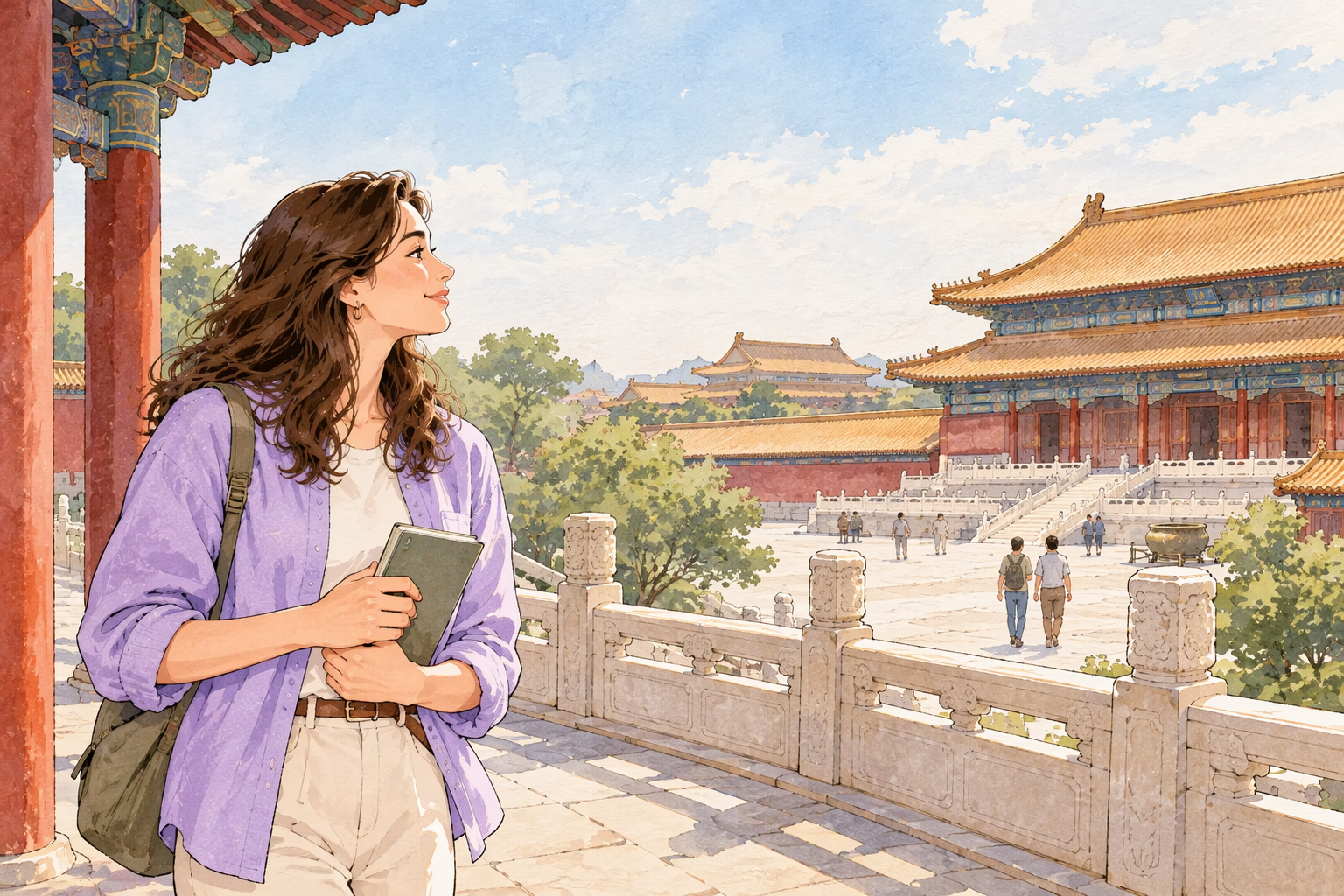
The architectural compound covers more than one million square metres. Its Outer Court was used for grand ceremonies and rituals. Three halls dominate its centre: the Hall of Supreme Harmony, Hall of Middle Harmony and Hall of Preserving Harmony. Notice their place in the ceremonial court before turning your attention to the museum’s displays.
Then see another side of palace life
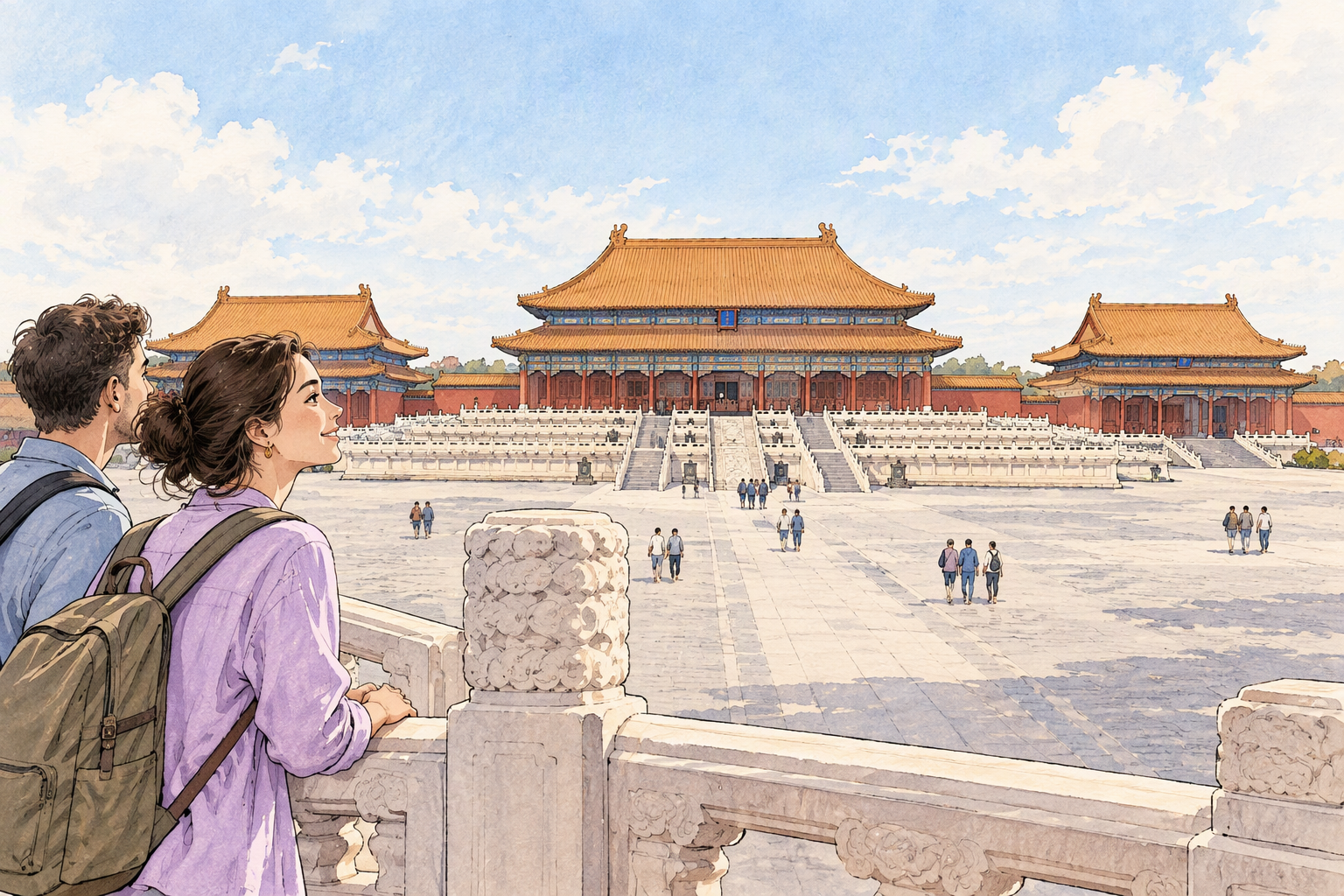
The Inner Court had a different purpose. It housed the emperor and his family and was used for day-to-day affairs of state. Its principal buildings include the Palace of Heavenly Purity, Hall of Union and Palace of Earthly Tranquillity; walled palace compounds on either side served as residences for imperial consorts. That change in purpose is useful to keep in mind as you explore.
The Forbidden City was home to 24 Ming and Qing emperors. Its role as a seat of imperial rule ended after Puyi’s abdication in 1912, but the change into a museum happened in stages. A public art museum was established in the Outer Court in 1914; the Inner Court became the Palace Museum in 1925; and the institutions merged in 1948.
Architecture is only part of the visit. The museum displays original interior settings and has galleries devoted to decorative arts, timepieces, painting, calligraphy, ceramics and sculpture, alongside special exhibitions. If one of those subjects draws you in, use it to focus your time rather than trying to take in the entire palace and collection.
Settle the visit details beforehand
The Palace Museum’s listed address is 4 Jingshanqian Street, Beijing. Keep that address with your visit plans, whether your main interest is the ceremonial halls, the former residential courts or the art collections.
The museum closes on Mondays except for statutory holidays. If a Monday is the day you have in mind, confirm the applicable arrangement before building your museum visit around it.
The Palace Museum does not sell same-day tickets. It says all visitors, including those with preferential access and their companions, should purchase tickets in advance through its official website or WeChat mini program. Arrange yours before setting out, and check the details for the visit you select.
Listed admission is CNY 60 per person from April 1 through October 31 and CNY 40 from November 1 through March 31. The Treasure Gallery and Gallery of Clocks are each listed at CNY 10 per person. If either gallery is a priority, check its ticket arrangement as you plan.