
CHINA TRAVEL · trisAino
Inside Sun Yat-sen’s former Shanghai home
At this Xiangshan Road bungalow, furnished rooms and museum displays bring Sun Yat-sen’s political work together with his life with Soong Ching Ling.
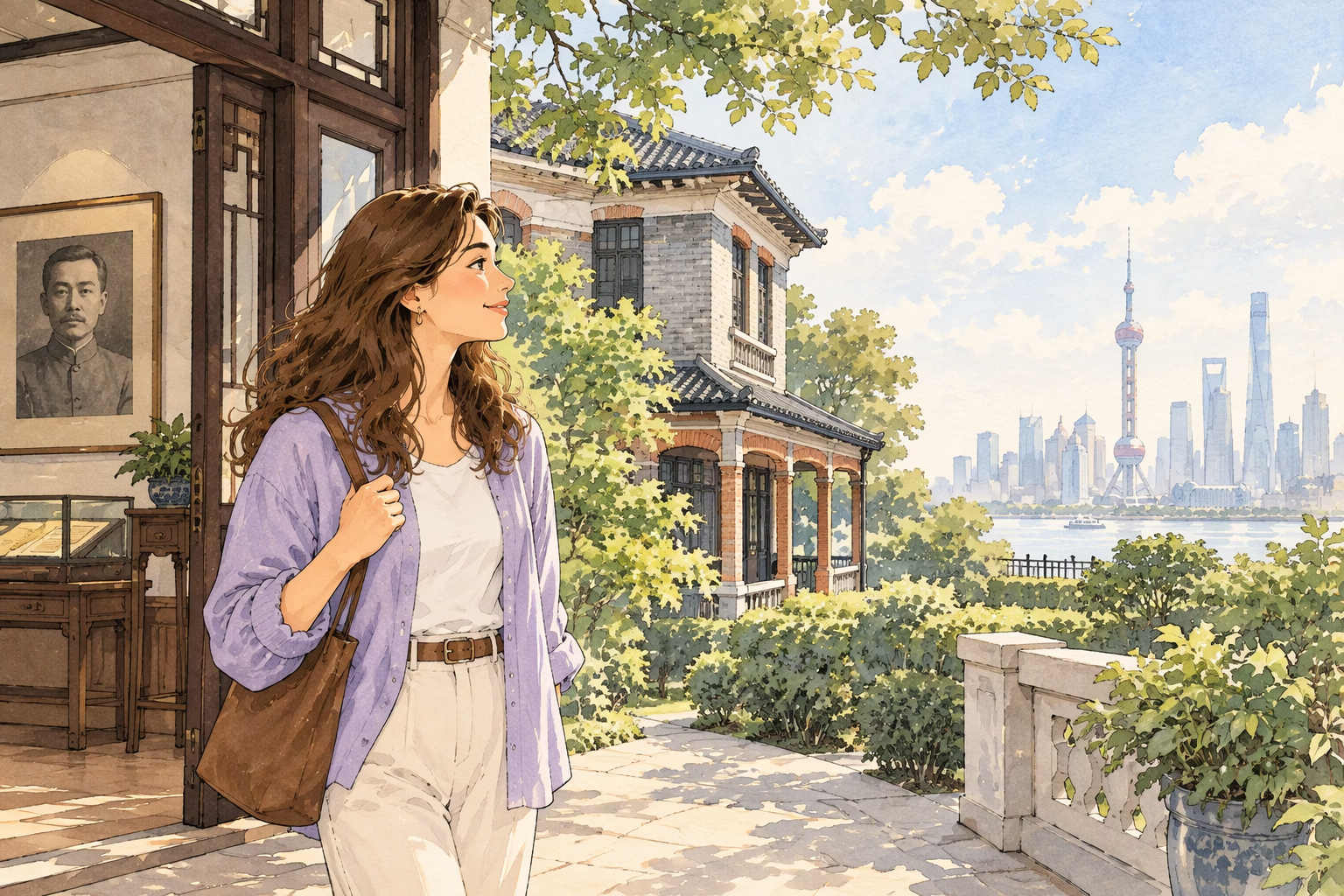
A home where history was written
If you are choosing a Shanghai museum outing, are you more curious about a political turning point or the home where its participants lived? Sun Yat-sen’s former residence gives you both perspectives. Sun moved into the European-style bungalow in June 1918 and lived there with his wife, Soong Ching Ling. During this relatively peaceful period together, he completed works and reflected on his years leading China’s revolution.
The Sun–Joffe Manifesto was written here in 1923, setting the stage for the initial collaboration between the Kuomintang and the Communist Party of China. After Sun’s death, Soong continued to live in the house for about a decade. That longer connection makes it useful to think of the bungalow not only as the setting for one political document, but also as a home she remained in.
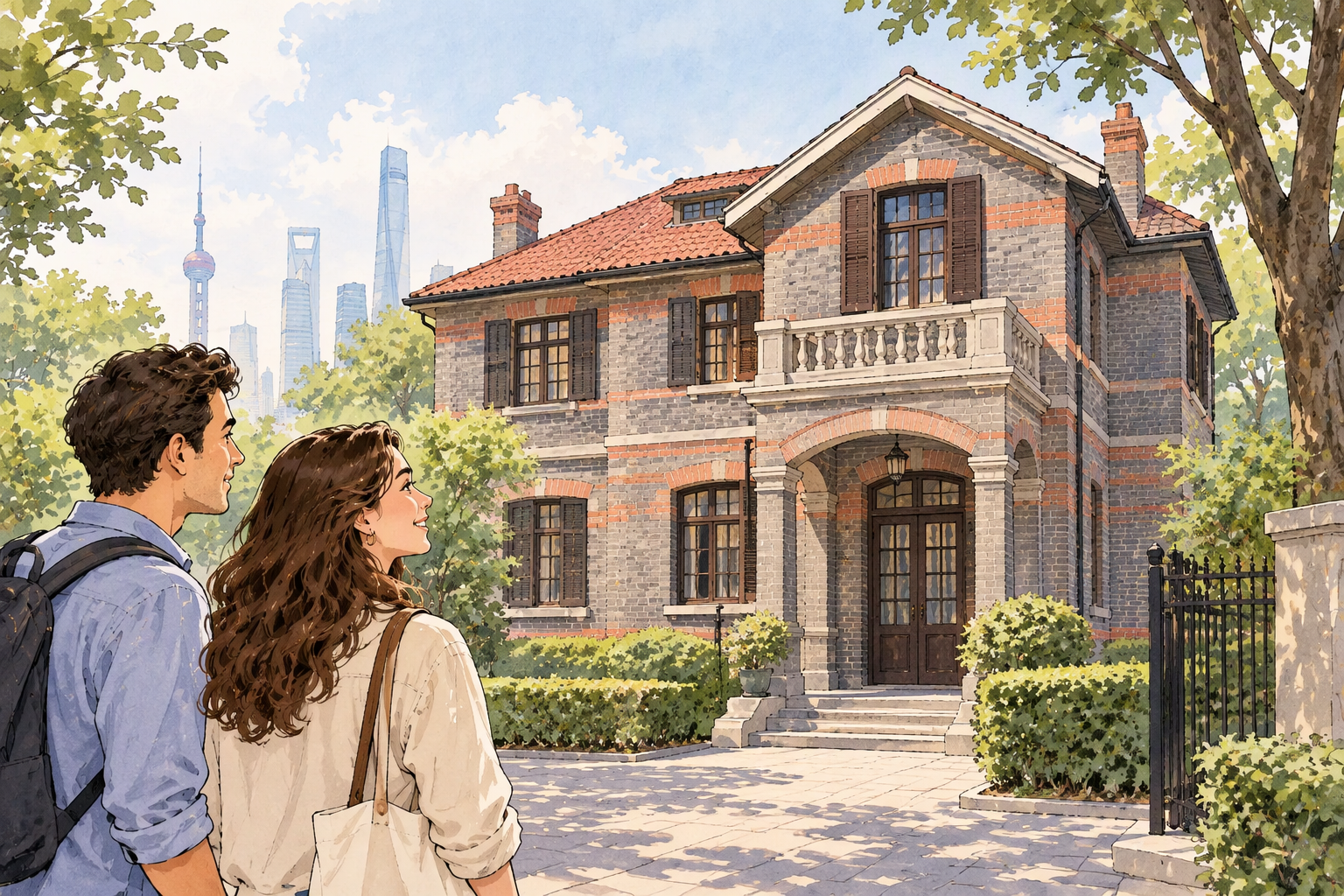
Follow the rooms upstairs
The two-story bungalow remains in its original location. Its living and dining rooms are arranged as they were when Sun lived there; upstairs are a bedroom, a study and another living room furnished with items belonging to Sun and Soong. Pictures on the walls and flowers in a vase are among the details evoking daily life. Give yourself a moment to notice the rooms as rooms, before turning to the larger history attached to them.
The former residence also serves as a museum, with relics associated with the couple. Videos address Sun’s contribution to China, his relationship with Soong and their collaboration. If you came for political history, the domestic spaces offer another way to consider the people involved; if the house caught your interest first, the displays help place their work alongside it.
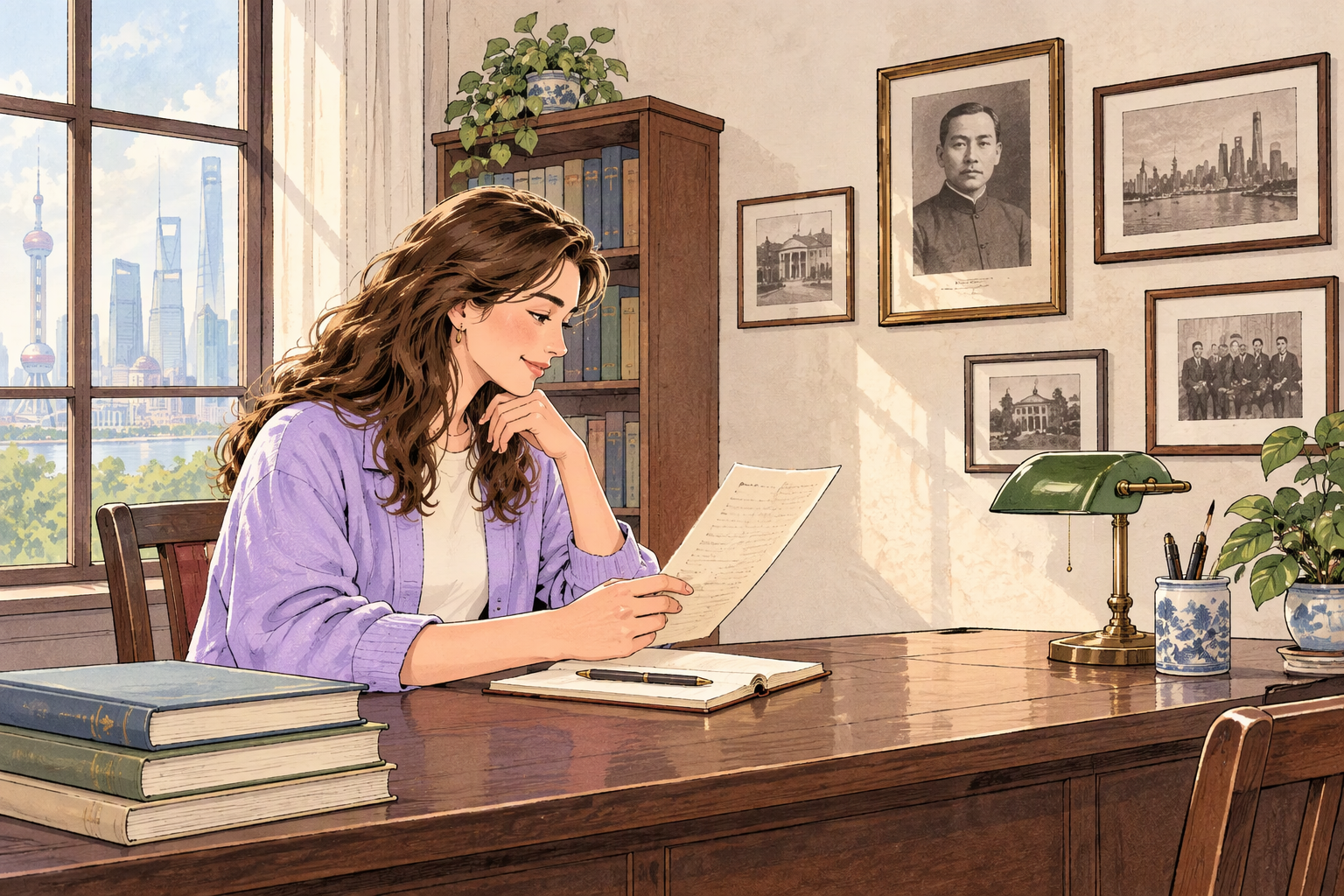
Make the visit fit your day
The listed museum address is No 7 Xiangshan Road, Huangpu district. A page updated in November 2025 gives visiting hours of 9 am to 5 pm and says the museum is closed on Mondays except public holidays.
Confirm current visiting arrangements before setting out, particularly if you are considering a public holiday. Once there, let your interests set the pace between the furnished rooms and the museum displays.