China concierge · fit before features
What Kind of Traveler Benefits Most From a China Concierge Service?
The strongest fit is an independent traveler who wants to make their own decisions but does not want every local-language call, booking problem or same-day change to become a solo research project.
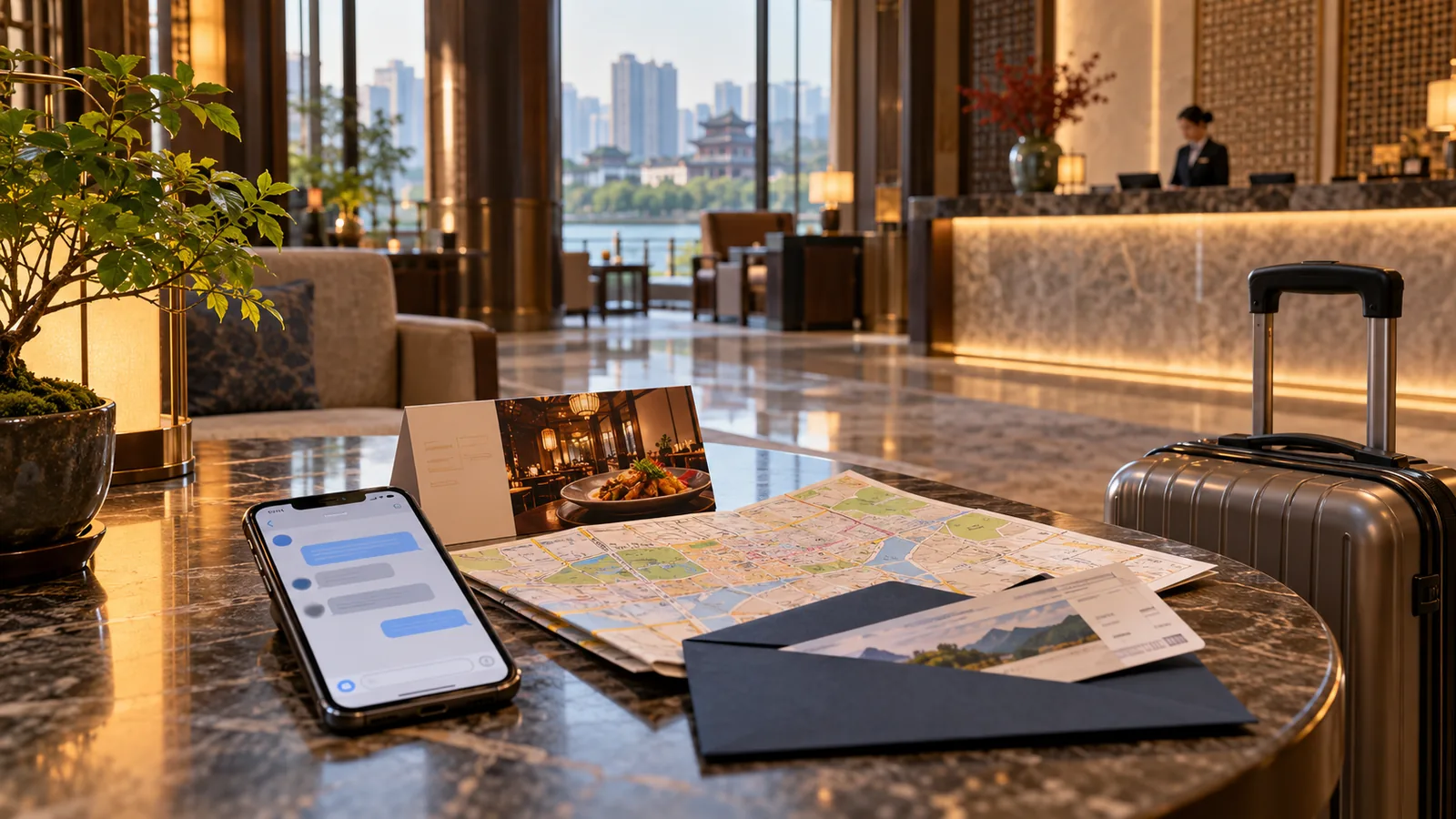
The best fit is independence with a selective safety net
A concierge is not automatically better for a complicated trip, and it is not only for luxury travel. Its value appears when a traveler can handle the route and everyday decisions but expects a few moments where local communication, time pressure or platform friction may block progress.
The current trisAino Concierge provides real human assistance through WhatsApp or WeChat during its published service window. It supports selected practical requests; it is not a travel agency, emergency service or guarantee of a supplier outcome.
The clearest fit
You want to own the trip, but you can name two or three tasks you would gladly hand to someone who can act in Chinese.
First-time independent visitors gain context at the moment it matters
A first visit often combines confidence about travel with uncertainty about local systems. The traveler may be comfortable choosing hotels and attractions but unfamiliar with restaurant calls, attraction booking rules, train changes or what to do when a platform rejects a foreign card.
Concierge is useful when the question becomes specific and time-sensitive. General preparation belongs in the free Guide and official sources; a live request belongs with a human only when communication or action changes the outcome.
Families benefit when one problem affects several people
With children, older relatives or a larger party, a sold-out restaurant or changed train is not a one-person inconvenience. Seating, adjacent tickets, dietary needs, mobility and pace interact. The coordinating traveler may value a local-language contact because every additional person increases the cost of improvisation.
The concierge does not remove the need for family planning. It reduces the communication burden around supported tasks while the family keeps control of dates, spending and preferences.
| Traveler profile | Likely high-value moment | Better self-service first | Concierge boundary |
|---|---|---|---|
| First-time independent visitor | Local-language booking or confusing live situation | Route planning, checklist and routine research | Assistance, not guaranteed availability |
| Family or multigenerational group | Coordinating several tickets, tables or changes | Pace, accessibility and backup choices | Supplier rules still control the result |
| Business traveler | Time-sensitive transport, dining or translation | Known meetings and core logistics | Not 24/7 or an emergency service |
| Confident repeat visitor | Unusual request outside familiar apps | Routine payments, maps and standard bookings | Use only for tasks worth delegating |
Business travelers buy back attention, not sightseeing advice
A short business trip has little tolerance for a restaurant misunderstanding, an uncertain pickup or a booking change between meetings. A concierge can be valuable when the traveler's time is worth more than the research and communication needed to solve a supported task.
This traveler should still prepare the fixed schedule, addresses and primary transport. Human support works best when the request is narrow, the deadline is clear and the relevant confirmation can be shared.
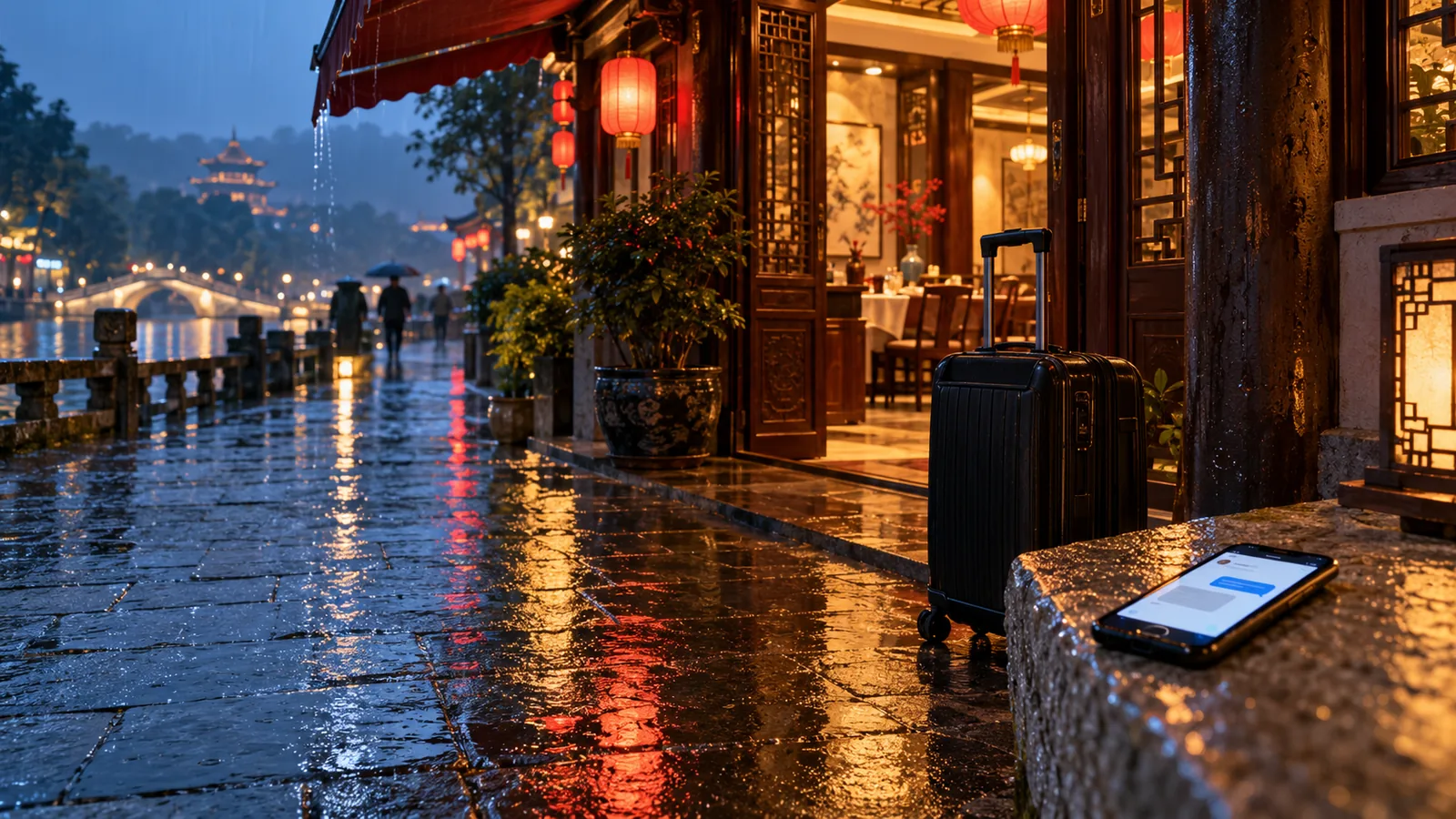
Travelers with local-language tasks benefit more than heavy researchers
Some travelers enjoy researching every detail. More articles will not solve a restaurant that only accepts a phone request in Chinese or a supplier that needs a live clarification. The deciding factor is not how much information the traveler has; it is whether the remaining task requires communication or action.
The trisAino product FAQ explains the division clearly: Planner shapes the trip, Guide explains practical systems, and Concierge helps with selected requests during service hours.
Who may not need a concierge
A solo traveler on a simple single-city trip, comfortable with local apps and flexible about restaurants or attractions, may solve almost everything independently. Someone joining a fully managed tour may already have overlapping support. A traveler expecting a person to remain continuously available, guarantee bookings or handle emergencies needs a different service.
Start by listing the likely handoff moments. If they are rare and low consequence, self-service may be enough. If several require Chinese communication within a narrow time window, a concierge becomes easier to justify.
Buy the shortest useful support window
trisAino currently lists Concierge at $9.99 per day, with 1–30 consecutive service days, while Guide access is free with an account. Service hours are currently 10:00–22:00 China time. Product details can change, so check the current page before purchase.
Choose the days that contain the most uncertainty: arrival, dense intercity movement, a special dinner, or a cluster of ticketed activities. Tickets, meals and other third-party charges remain separate, and a booking cannot be guaranteed.
Prepare the request before you need help
Save names, dates, party size, passport-matched passenger details where relevant, dietary or mobility needs, current confirmation, acceptable alternatives and a clear deadline. Good context lets a human act faster and reduces avoidable back-and-forth.
If you are still deciding between delegation levels, the comparison of travel agencies, AI planners and concierge support shows which tasks belong in each layer.
Keep the decisions; get help with the hard moments
Message the Concierge team first to explain the request. Asking is free; purchase a service window only when you want supported action.
See Concierge detailsFrequently asked questions
Is a China concierge only for luxury travelers?
No. The practical value is selective human help with supported local-language or time-sensitive tasks. It can suit an independent budget traveler as well as a business traveler when the task is worth delegating.
Can a concierge guarantee train tickets or restaurant tables?
No. Availability, timing, supplier rules, payment and identification requirements determine the result. The service can attempt or assist with supported requests and explain alternatives.
Is Concierge available all day and night?
No. trisAino currently publishes service hours of 10:00–22:00 China time. Messages outside the window are handled in the next service period. It is not an emergency service.
Should I use Planner and Guide before Concierge?
Usually yes. Planner settles the route, and Guide covers routine preparation. Concierge adds the most value when a specific remaining task needs human communication or action.
Product and service details were checked on 5 October 2026. Transport schedules, inventory, operating rules, prices and service details can change; confirm current information with the responsible official source, supplier or trisAino product page before purchase.